 COME
COMECOME APK Entry Page, Saved File or Installed App?
Use this guide when the same COME name appears in a browser, Downloads and the phone's app list. Identify each item by where it opens and what information the device shows. A page address, a file completion status and Android app information are separate observations. Keeping them together gives you a clear route to the next stage without guessing from artwork.
Opening the page is the first stage
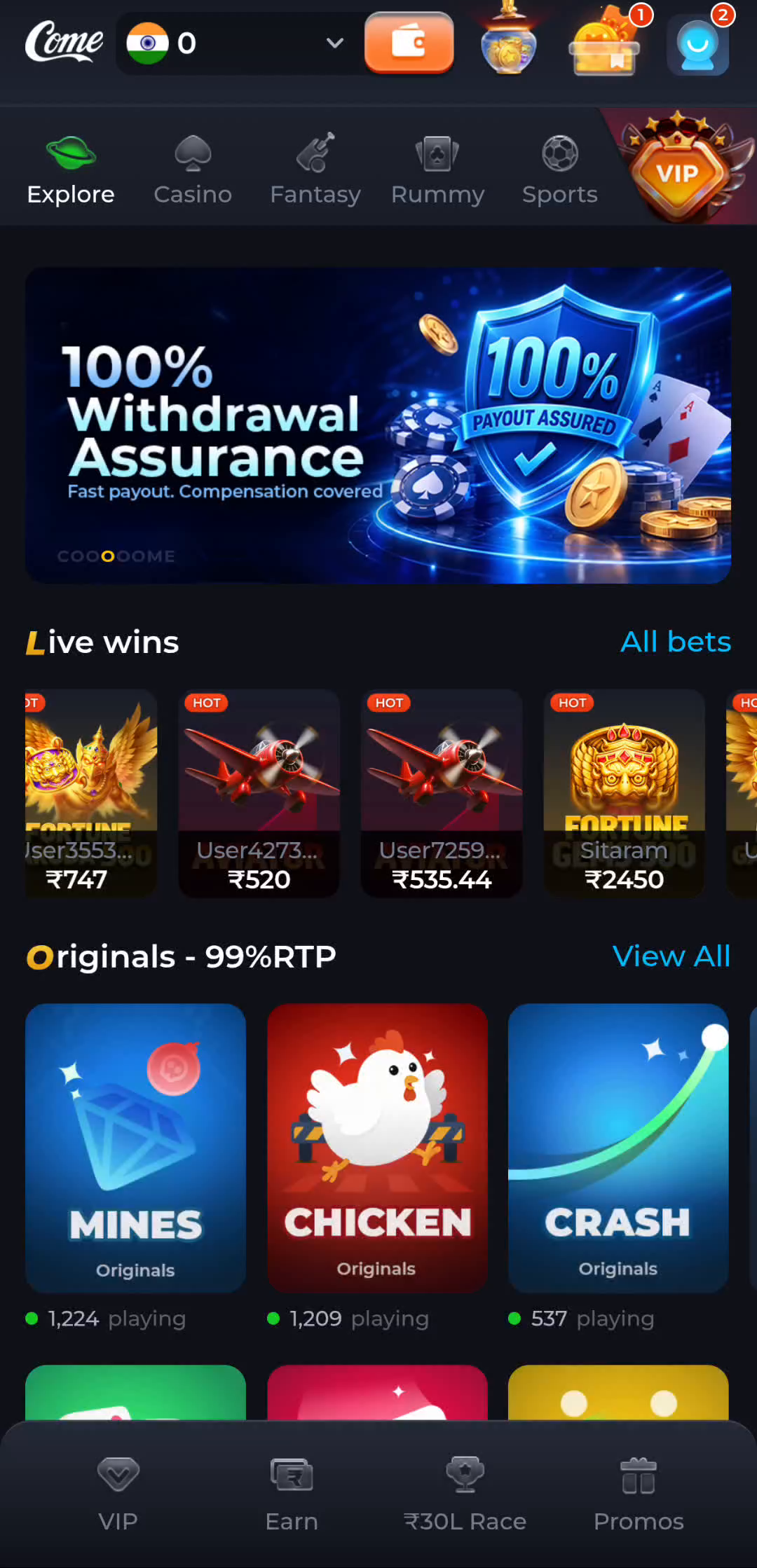
The app entry used by this website opens a COME web page. Seeing that page is a successful navigation, but it does not mean that Android has received an installation file. A web interface can contain game categories, a profile button and account controls while still running in the browser. Use the browser address bar and its download list to distinguish the page from a saved package.
Do not add an APK extension to the page address or assume that a button image is the installer itself. Follow the download option presented by the destination and observe what happens. A file transfer normally appears in the browser's downloads area or a device notification. A completed transfer and a failed transfer require different next steps.
Follow one transfer from start to finish
After selecting the relevant Android download control, open the browser's downloads view. Look for the item associated with the action you just took. If it is still transferring, let it finish on a stable connection. If it is paused, inspect the browser's reason. Starting several more copies makes it harder to identify which file completed and can waste storage.
When the browser reports completion, locate that file. If it is an APK, opening it should lead to Android's installation interface, subject to device support and security checks. If it is a web page, an image or another unexpected file type, stop and revisit the source. Renaming it cannot turn it into a valid Android package.
A shortcut is different from an installed package
A home-screen shortcut can reopen a website. An installed Android app appears in the device's application settings, where system information and permissions can be examined. The icon alone is not a reliable distinction because both can use brand artwork. If you are unsure which you created, inspect the device's app information rather than deleting items at random.
Decide when this task is complete
This task is complete when you know which stage you reached: app page open, file saved or Android installer open. You do not need to repeat earlier successful steps. If the download control is absent or returns an unexpected object, describe that exact result through the product's help route instead of guessing another mirror or file address.
A related situation to recognise
If the product page loads and the Downloads list remains empty, navigation worked but a transfer has not been established. Look at the page's own Android option and the result of selecting it. Do not change installer permissions while no installer is being opened. When a file is actually saved, its completion state should be visible in the browser. If the action instead opens another page or an unexpected file, preserve that result and use the product's help route. The useful checkpoint is a completed package associated with the action you intended.
Questions about this task
Why did the button return me to a web page?
The configured entry is a product page. Downloading and installing require their own actions after that page opens.
Does a browser page mean there is no Android app?
No. It tells you what this link opened. Use the Android option and release information actually shown by the product.
Choose the next step
If this task is complete, continue from the stage you reached. If the symptom remains, keep the exact message and use the related guide only when it addresses that different question.
What to Record About a COME APK Before Installation